

2027 Research and the Flower Farmer
Connecting Cut Flower Farmers with Scholars and Academics in the Industry
Greenhouse Hacks: Practical Fixes on a Farm Budget
Speaker: Dr. Ankit Singh of the University of Maine
Date: Winter / Spring 2027. Details coming soon!

Greenhouses can extend the growing season, but they can also bring costly, frustrating problems. In this practical webinar, Dr. Ankit Singh of the University of Maine will explore common challenges small and midsize farms face, from ventilation and temperature management to irrigation, pests, disease, and equipment issues. After this overview, Dr. Singh will share low-cost, practical solutions for these same issues. Designed with real-world farm constraints in mind, this session will help cut flower growers troubleshoot problems, prioritize improvements, and get more from their greenhouse without breaking the bank.
Key Takeaways for Attendees:
- Identify common greenhouse problems and understand what’s causing them.
- Apply low-cost fixes for ventilation, temperature, irrigation, pests, disease, and equipment issues.
- Prioritize improvements based on impact, cost, and the needs of your farm.
From Trial Plot to Dedicated Crop: How to Evaluate a New Variety
Speaker: Dr. Stephanie Burnett of the University of Maine
Date: March 3, 2027, at Noon Eastern.
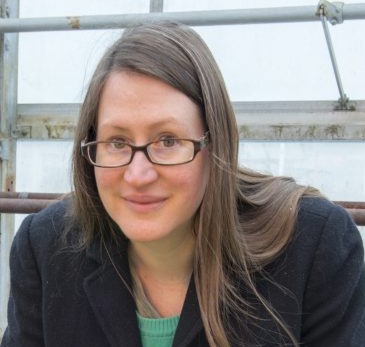
Trying a new variety can be exciting, but deciding whether it deserves a permanent place in your crop plan takes more than a few good blooms. This practical webinar will give growers a simple framework for conducting small-scale variety trials on their own farms and collecting useful data along the way. Learn how to design a manageable trial, identify the characteristics that matter most, track performance consistently, and compare results across varieties. By the end of the session, you’ll have a practical approach for turning trial-plot observations into confident, data-informed crop decisions.
- Design simple, manageable variety trials that fit your farm and production goals.
- Track the characteristics that matter—from yield and timing to stem quality, vase life, and marketability.
- Use trial data to make informed decisions about which varieties deserve a place in your crop plan.
What Your Soil Test Is Really Telling You
Speaker: Dr. Melanie Stock of Utah State University
Date: March 10, 2027, at Noon Eastern.
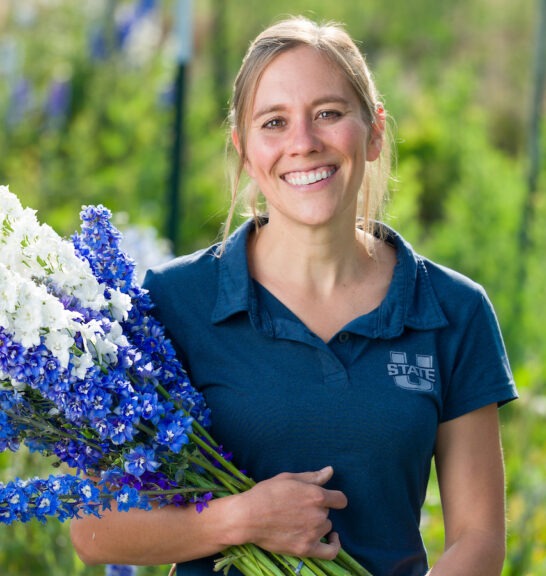
A soil test can provide a wealth of information, but turning those numbers into practical decisions is another matter. In this webinar, Dr. Stock of Utah State University breaks down the key components of a soil test and explains what they mean for cut flower production. Learn how to interpret nutrient levels, pH, organic matter, and other important indicators; identify potential problems or imbalances; and use your results to make smarter decisions about amendments and fertility. Walk away with a clearer understanding of your soil test and a practical framework for putting the results to work on your farm.
- Read and interpret key soil-test results, including pH, nutrients, and organic matter.
- Identify nutrient imbalances and potential soil problems that could affect crop performance.
- Turn soil-test results into action with informed amendment and fertility decisions.
Longer Stems, Better Blooms: The Science Behind the Art
Speaker: Dr. Roberto Lopez of Michigan State University
Date: Date and time coming soon!

Stem length depends on more than genetics, and this practical, research-based webinar will show growers how to use light, temperature, plant density, plant growth regulators, and crop timing to influence stem elongation and produce sturdier, longer, higher-quality cuts. Attendees will learn how these factors interact throughout the growing cycle and how thoughtful adjustments to production practices can maximize stem length without compromising overall crop quality.
- Understand how light, temperature, plant density, and crop timing influence stem elongation.
- Learn how these factors interact throughout the growing cycle to affect stem length and quality.
- Identify practical ways to adjust production practices for longer, sturdier stems without compromising crop quality.